
Native Mobile Apps: Everything You Need to Know
In today's fast-paced digital world, having a mobile presence is no longer optional—it’s a necessity. One of the most efficient ways
to provide users with the best mobile experience is through native mobile apps. But what exactly is a native app? How does it differ from other
types of mobile applications, and what benefits does it offer?
In this guide, we’ll explore everything you need to know about native mobile apps, from their definition to their advantages,
and whether they’re the right choice for your business.
What Are Native Mobile Apps?
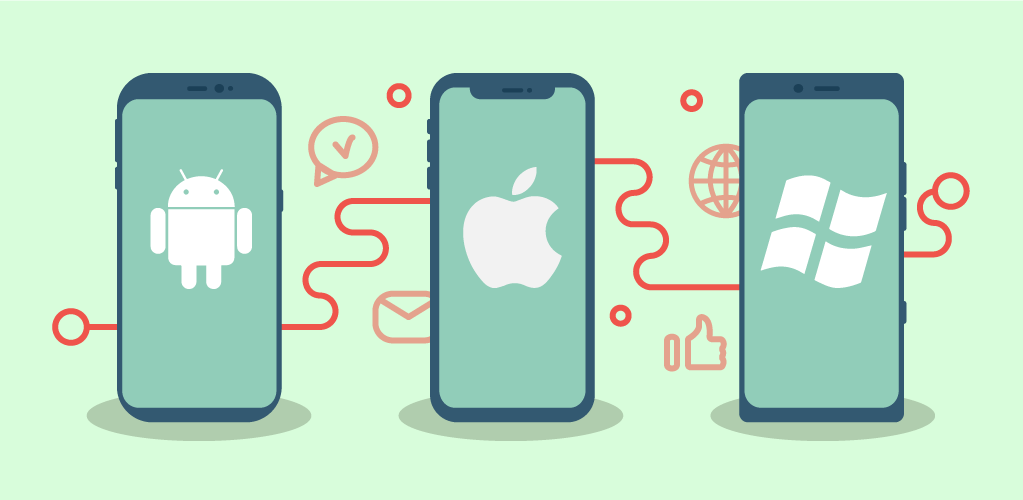
A native mobile app is a mobile application developed specifically for one platform, either iOS or Android. It’s written in languages supported by the platform, like Swift or Objective-C for iOS, and Kotlin or Java for Android. Because native apps are built to run on a specific operating system, they leverage the device’s hardware and software capabilities to provide the best possible user experience.Native Apps vs. Other Types of Mobile Apps
There are two other primary types of mobile apps—web apps and hybrid apps—and understanding the differences is key to making the right choice for your business.How Native Apps Differ:
Advantages of Native Mobile Apps
Native apps are optimized for the platform they’re built on, which means they’re faster and more responsive. Whether it’s loading times or in-app animations, users benefit from a smooth, seamless experience.
Since native apps are deeply integrated with the device, they have access to all hardware and software features, such as GPS, accelerometers, cameras, and more. This allows for a more immersive and functional app.
Native apps take advantage of the built-in security features of the platform. iOS apps, for instance, go through a strict App Store review process to ensure they meet Apple’s high-security standards. Android apps can also be encrypted to protect user data.
Native apps adhere to the design standards set by the platform, which improves the overall user experience. iOS and Android users are accustomed to certain interactions, and native apps deliver a familiar and intuitive interface.
Many native apps can function offline or in low-connectivity environments, allowing users to interact with certain features even without an internet connection.
Disadvantages of Native Mobile Apps
While native apps have many advantages, they also come with certain drawbacks.Since native apps need to be developed separately for iOS and Android, the development cost can be higher compared to hybrid or web apps. Businesses may need to hire specialized developers for each platform.
Because native apps are written specifically for each platform, building separate apps for iOS and Android takes more time compared to building a single hybrid app.
Maintaining a native app can be more labor-intensive. Since there are two versions (one for iOS, one for Android), updates, bug fixes, and new features need to be implemented separately for each platform.
When Should You Choose Native Mobile Apps?
Native apps are ideal if:Native mobile apps are often considered the gold standard for mobile app development, offering superior performance, enhanced security, and a seamless user experience. While they may require more investment in terms of time and money, the payoff is usually worth it if you’re looking to provide the best mobile experience possible. If you’re ready to invest in a top-tier mobile experience and cater to platform-specific user expectations, native mobile apps are the way to go.
